Risk Managers Seek a Departure from the Traditional Means of Managing Risk 

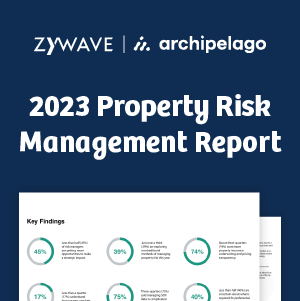
In the third annual survey on property risk management, Archipelago and Advisen, a Zywave company, reveal insights into the priorities of risk managers overseeing large commercial property portfolios.

Key findings show that risk managers are eager to play a more proactive role in the value chain and influence strategic decisions, seek more autonomy to implement risk management strategies, and prioritize transparent collaborations that empower them to act.

Seven Trends to Watch in the Construction Industry

Organizations in the construction industry face innumerable risks that must be addressed. From supply chain disruptions to managing project timelines to enabling new technologies, the risk landscape in construction is always shifting. Make sure you know the trends to keep an eye on.

The Path Forward for Better Data Breach Response

Today, organizations across the world rely on data and technology to bring value to their customers. While data and technology can help businesses unlock new opportunities, the utilization of data comes with risks.

The unfortunate reality is that data breaches occur regularly. These events can affect businesses in a variety of ways. They can be costly, cause reputational damage and take time to repair.

It is essential for businesses to take steps to respond effectively to data breaches. Doing so can limit the damage created by a data breach and help businesses protect their bottom lines.

Many businesses do not know where to start when it comes to responding to data breaches and what to look for in breach response partners. Norton Cyber Risk Solutions is here to help.

Download this infographic to learn more about effective data breach response and what to look for in a breach response partner.

Click here if you’d like to read the full White Paper!

The Path Forward for Better Data Breach Response

Today, organizations across the world rely on data and technology to bring value to their customers. While data and technology can help businesses unlock new opportunities, the utilization of data comes with risks.

The unfortunate reality is that data breaches occur regularly. These events can affect businesses in a variety of ways. They can be costly, cause reputational damage and take time to repair.

It is essential for businesses to take steps to respond effectively to data breaches. Doing so can limit the damage created by a data breach and help businesses protect their bottom lines.

Many businesses do not know where to start when it comes to responding to data breaches and what to look for in breach response partners. Norton Cyber Risk Solutions is here to help.

Download this whitepaper to learn more about effective data breach response and what to look for in a breach response partner.

Click here if you’d like to access the Infographic!

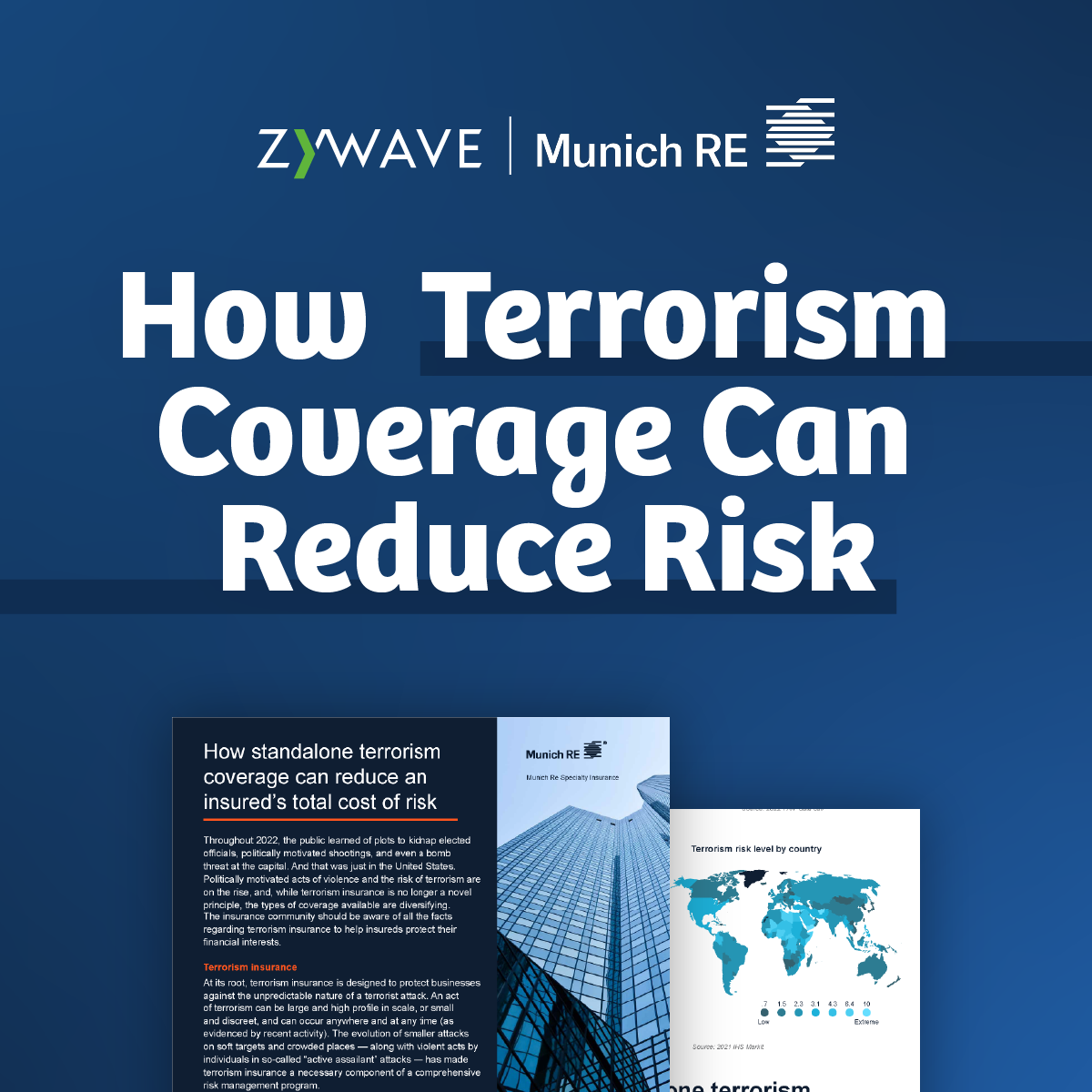
How Standalone Terrorism Coverage Can Reduce an Insured’s Total Cost of Risk

The frequency of politically motivated attacks is increasing, and terrorism insurance has become a necessary component of a comprehensive risk management program. Attacks can be large and high profile or small and discreet. Terrorism insurance is designed to protect businesses from the unpredictability of a terrorist attack, but traditional coverage may not be enough. Standalone terrorism coverage can be a more valuable alternative, and it’s important for brokers to evaluate these policies for their clients.

Addressing Trends in Public Entity Transit Risk

Public transit is an essential part of daily life, but its operations come with unique insurance risks. It’s important to know these risks so you can stay ahead of the curve.

While every industry has experienced turbulence in recent years, public transit has been more significantly impacted. Due to the lingering effects of the COVID-19 pandemic, ridership levels remain lower than pre-pandemic levels, and public transit entities are reevaluating operations and looking for ways to innovate.

PartnerRe cyber market

Captives and the Elements of a Successful Approach 

Advisen, a Zywave company, sat down with two thought leaders from AXA XL, Chris Kopser (president and chief underwriting officer, primary casualty Americas) and Steven Bauman (global programs and captives regional director, Americas), to discuss captive insurance, including trends in the space and the benefits of working outside a traditional insurance marketplace. With their combined decades of experience and insight into overseeing the growth and development of AXA XL’s global insurance programs and captive business, Kopser and Bauman provide unique perspectives on the elements of a well-run group captive approach and ways the space is primed for future growth.

Download the interview with Kopser and Bauman covering these questions:

• What is a captive insurance company?

• What types of risks are organizations addressing through a group captive approach?

• What are the elements of a well-run captive?

• What are the benefits of working outside the traditional commercial insurance marketplace through a captive?

PartnerRe cyber market

12th Annual Information Security and Cyber Risk Management Survey

For the 12th consecutive year Zurich North America and Advisen, a Zywave Company, have collaborated for the Information Security and Cyber Risk Management survey. For much of the last two decades, the story of cyber insurance has been one of building awareness of risk, risk mitigation, and of the need for cyber insurance. The message has been heard: Over 86 percent of respondents now buy cyber insurance, with 69 percent carrying standalone cyber policies. The goal for risk managers and their insurance partners now becomes to move past awareness toward strengthening resilience against all cyber events. This year’s report includes a special section on how geopolitical conflict over the past year has elevated cybersecurity concerns.

PartnerRe cyber market

Achieving Better Cybersecurity Posture:
A Shared Mission Among Security Vendors and Insurers

Eric Skinner, VP of Market Strategy and Corporate Development at Trend Micro recently sat down with Advisen, a Zywave company, to discuss the current cybersecurity landscape, common mistakes organizations make when preparing for threats, ways organizations can bolster their risk management practices and the role insurers play when assessing organizations’ exposures.

Download the interview with Skinner covering these questions:

• What is your take on the current cyberthreat landscape for businesses?

• How do organizations typically get into trouble from a cybersecurity standpoint?

• What can organizations do to manage their exposures better and improve their cybersecurity posture?

• What should insurers look for when assessing an organization’s cybersecurity posture?

PartnerRe cyber market

The Intersection of Diversity, Inclusion and Talent Development in Insurance

Are you finding talent development is more challenging than ever in insurance?

Want to know how Diversity and Inclusion can help your recruit top insurance talent and retain employees?

The Bureau of Labor Statistics estimates that nearly half of the current insurance industry workforce will retire in the coming decade. What’s more, industry research has found that only 4% of millennials are interested in an insurance career. This puts immense pressure on the labor market in the insurance field.

Advisen, a Zywave company, spoke to Donna Nadeau, AXA XL’s chief underwriting officer about the current talent landscape, her approach to talent and career development, her own experience as a leader, and AXA XL’s Diversity and Inclusion work.

Download the interview with Nadeau covering these questions:

• How would you characterize the current talent landscape in the insurance industry?

• How do diversity and inclusion fit into conversations about recruiting new talent and retaining employees?

• What are the advantages of having a diverse workforce and underwriting staff?

• What is your approach to talent development?

Russell Group, a leading data and analytics company based in London, is pleased to announce the latest expansion of the company’s data universe via a comprehensive loss data license with Zywave, a leading insurtech that acquired Advisen and its comprehensive data offerings in November 2020.

Chief Executives must focus on maximising shareholder value while managing corporate risks. In today’s complex risk landscape, these two priorities are under threat from Connected Risk. As a result, emerging and systemic risks pose looming obstacles for corporates and their (re)insurers.

These additional datasets, which include the largest repository of Cyber, US D&O, International D&O and Casualty case collections, will power and drive the Russell Universe, Russell Scenario Factory, and Russell ALPS solutions for Russell’s clients and partners in both the specialty (re)insurance and corporate sectors.

This multi-year licensing agreement represents a significant advance for Russell, as not only does it extend its current specialty business offering, but also serves to signal Russell’s intent to expand its book of business with service offerings aimed at the US marketplace.

Suki Basi, Russell Group Managing Director, commented: “Our ability to inform our corporate and insurance company clients continues to grow as we integrate data to assess the significance of external risks and their impact on our clients’ exposures. We are extremely pleased to partner with Zywave and incorporate their state-of-the-art loss data into our unique approach of Connected Risks.”

Jim Blinn, Zywave EVP of Client Solutions, added: “For almost a decade, we have been connecting loss events arising from the same cause, which means we demonstrate how various risks accumulate to cause greater devastation. Suki Basi and the Russell Group are well-positioned to analyse these aggregation factors, and we look forward to building a long and rewarding commercial relationship.”

About Russell Group

Russell Group is a data and analytics company that offers creative and imaginative risk solutions for corporates and (re)insurers. We believe that future sustainability and business success will be built on a better understanding of connected trading risk exposure, and our connected solution offers three key services: insight, analysis, and action to help our clients achieve sustainable and successful operations. Russell Group is based in the UK with offices in London & Nottingham. Visit us at www.russell.co.uk

About Zywave
Zywave leads the insurtech industry, fueling business growth for its partners with cloud-based client delivery, content and analytics solutions. Offering a technology platform embedded with robust data and the most comprehensive content portfolio available, Zywave empowers smarter business decisions throughout the entire customer lifecycle. Additional information can be found at www.zywave.co.uk


PartnerRe cyber market

2nd Annual Property Risk Management Survey

Findings from the second annual Property Risk Management Survey from Advisen Ltd., a Zywave company, and Archipelago show that risk managers with large portfolios of commercial property seek a more proactive position in the value chain. Their goal is to move upstream within their organizations and influence strategy for initiatives around risk, resilience and mitigation.

As a result, risk managers increasingly want the ability to execute strategies according to their own view of risk. They prefer insurance industry partnerships that are transparent and provide data-driven actionable insights rather than relationships solely focused on the exercise of pricing risk and purchasing coverage.

This report also offers executive commentary from Chubb’s Chief Risk Officer and Digital Business Officer, and Archipelago’s CEO.

Helping Your Clients Effectively Manage Wildfire Risk

Defending against wildfires is no simple task. Businesses should work with their insurance partners to implement proactive risk management techniques to harden their defenses against wildfires.

However, businesses often are unsure of where to start. Download this Munich Re Specialty Insurance Infographic to see a range of risk management techniques businesses should consider to improve wildfire resilience.

Download Whitepaper

Changing the Commercial Property Underwriting Dynamic

Current commercial property insurance market conditions—brought on by rising property losses from natural disasters, surging rebuilding costs and a number of other factors—have highlighted the inefficiencies of commercial property underwriting, emphasizing the need for change. By innovating the underwriting process through enhanced data collection and technology utilization, those within the commercial property market could be better positioned to navigate its evolving risks.

This whitepaper explores steps AXA XL is taking to innovate the commercial property underwriting process to better serve insureds.

Important topics addressed include:

What are the serious consequences of underreporting insurance values during the underwriting process?

What are the risks of underestimated total insured values during the underwriting process?

Is CAT modeling still relevant in a hard market?

Is Risk Scanning the evolution of risk assessment for underwriting?

What will the future of commercial property underwriting look like?

What are the best risk management techniques to share with insured clients?

What services help insurers and insured build transparency and trusting relationships?

Setting Cyber Brokers Up For Security Success

Setting Cyber Brokers Up for Security Success

Julian Sylvestro and Chris Bell of Secureworks recently explained why they see broker-driven cyber risk management as the key to unlocking new potential in cyber insurance. The interview discusses why “The role of a broker is probably the single hardest role in this space right now” and how Secureworks can position brokers for security success.

Bringing Value to Clients and Brokers

Bringing Value to Clients and Brokers

Kadidja Sinz is the Head of the Europe and Middle East Region at Liberty Specialty Markets. Advisen – a Zywave Company – recently spoke to Sinz about how relationships have been key to Liberty’s rise as a top specialty insurance option, how this established approach helped during the pandemic, and how outlooks on risk and exposure have evolved.

By Alex Zank, Advisen

In an age where natural catastrophes have become increasingly common and can lead to huge losses, prudent businesses should develop continuity plans for extreme winter weather, according to an insurance industry expert who deals with controlling risk.

“The reality today is business leaders find themselves facing and navigating a host of complex risks and issues,” said Steve Hernandez, senior vice president of risk control with Chicago-based CNA Financial. “It doesn’t take long to talk about the pandemic, supply chain, logistics, (and) workforce shortages. But then, you add on top of those business disruptions extreme weather events – and in this case, winter weather – I think it underscores the value of establishing and maintaining a holistic risk-management program really anchored in preparedness.”

Resiliency plans have become a factor by which underwriters gauge how companies manage risk. A resilient business, Hernandez said, has a crisis management plan, a set of response protocols, and will apply technological advancements to aid in responsiveness.

“That’s all critical to the underwriting process,” he said.

Winter storms in the first half of 2021 alone caused a record $15.1 billion in insured losses, according to a report from broker Aon. That far surpassed the $1.1 billion in insured losses in 2020, and $2 billion in losses in 2019.

Hernandez mentioned three key goals that businesses should keep in mind when measuring their resiliency against winter weather. Companies should analyze how a winter weather event would disrupt business and lay out the workarounds needed to continue operations. For instance, a business that relies on automation and robotics may want a gameplan for when those systems fail and some tasks need to be done manually.

Power is another major talking point: Businesses should review the reliability of their energy supply. Businesses that have time- and temperature-sensitive environments should work with utility providers to understand how their buildings receive power and to estimate restoration time periods. Many operations don’t have secondary sources of power, and may want to work out alternative arrangements in instances of power failure.

Lastly, policyholders also must consider how winter weather can affects different regions of the U.S. Hernandez said two inches of snowfall hits the U.S. Southeast much differently than the Northeast. Infrastructure networks and building codes vary by region based on climate conditions. This can have a detrimental effect on buildings when unexpected weather occurs. This was seen in Texas during last year’s winter storm. Many homes and commercial buildings were not built to withstand severe winter weather and thus sustained major damages.

To assist policyholders, CNA has connected with a sensor technology provider to help insureds detect water leaks and monitor temperature and power usage, Hernandez said. The devices can monitor disruptions from winter weather and help prevent losses. System alerts mean companies can respond quicker in instances where minutes may make all the difference.

He cited one recent example of an insured who was alerted of a temperature drop in their building’s air handling system. It turned out to be a faulty heating coil and was a simple fix, but if it had gone unnoticed could have resulted in a six-figure claim.

Even experiencing a loss event can inform and refine an organization’s approach to resilience.

“Every opportunity, whether it’s a threat or disruption, is an opportunity to learn and improve the preparedness and response capability,” said Hernandez. “The other thing we’re actually talking with accounts about is after-action reviews. You go through every exercise and every activation of a winter weather event to really look at what are the lessons learned and how you build that in … you want to learn from these events, and recognize that there’s work to do.”

Hernandez said CNA encourages policyholders to perform things like tabletop walkthroughs and brainstorming exercises so that they consider all possibilities and come up with strategies.

Brokers have a role to play in this process, Hernandez noted, because they know their clients well and can help underwriters understand all aspects of a policyholder’s operation.

“Working with a broker helps us ensure that we get the right resources engaged from the account perspective, and then working with them in a total service capacity to make sure the needs of the account they’re representing are taken care of,” he said.

Journalist Alex Zank can be reached at [email protected].

Cyber reinsurance buyers found a disciplined market at Jan. 1, with higher prices and limited capacity for cyber aggregate cover, according to brokers who found prepping for the renewal season to be a full-year task.

Recent reports from Guy Carpenter, Gallagher Re, and Howden emphasized reinsurers’ keen interest in underwriting strategies implemented throughout 2021 by the primary cyber market. Those efforts, which include rigorous risk selection, mandatory cybersecurity controls, and triple-digit price increases, are beginning to show signs of improving the sector’s performance, brokers say, but more time is needed to fully see the results.

The reinsurance market conditions weren’t unexpected, according to Erica Davis, managing director and global co-head of cyber at Guy Carpenter, the reinsurance broking arm of Marsh McLennan.

“We’ve had a little time now with the harder market under our belt and we’ve been tracking market developments as they occur. For cyber aggregate placement, reinsurers continued to push for margin improvement, based on industry performance deteriorating in recent years,” Davis told Advisen.

In a recent briefing, Guy Carpenter highlighted cyber aggregate cover as “the most challenged” segment of the casualty reinsurance market. Quota share cover buyers were met with more capacity.

“Quota shares remain fairly stable, particularly for those cedents who had detailed and timely data and who had a strong, articulated response to ransomware,” said Davis. “For aggregates, we continue to see demand outstrip supply and therefore pricing increases are still fairly common, though 1/1 saw them be less material than at mid-year.”

Guy Carpenter found sufficient capacity for its clients, but it was “contingent on having detailed high-quality submissions,” Davis explained. She added, “We have been engaging with our clients year-round to ensure they’re prepared for the expectations of this rapidly evolving market.”

Reinsurers looked to see that underwriting strategies – and they continue to differ across the primary market – go beyond merely raising prices.

“The rate improvement across the industry has been well-received and highly reported upon. There’s an acknowledgement that there’s been a higher degree of technical acumen in the underwriting,” said Davis.

The reinsurance market “was observant and appreciative” of the steps primary insurers undertook in 2021 to combat deteriorating performance in recent years. However, the market will remain under pressure going forward, particularly for writers of smaller businesses.

“I think the last 12-24 months have shown that segment of business is being just as impacted, if not more impacted, by ransomware,” said Davis. “We saw more focus on portfolios who write a lot of small business. Small businesses will be under increased pressure to elevate their risk controls. That’s been a notable shift in the market.”

Managing Editor Erin Ayers can be reached at [email protected]

What are the current issues driving the D&O loss and rate environment? Advisen’s D&O Insights Conference will explore the impact of COVID-19, bankruptcies, the rise in shareholder activism, event-driven litigation, social inflation, and the impact of the new administration on court decisions and regulations. What are the differences between public and private company exposures and losses? Are we in for more big nasty claims and higher premiums or is there a vaccine coming for the D&O marketplace? We will provide a half-day of thought leadership and networking for risk managers, insurance brokers, insurance underwriters, reinsurers and other risk professionals.

Did you miss a session?  Complete the form below to access the full video archive.

The San Francisco edition of Advisen’s Cyber Risk Insights @ Home Virtual Series emphasizes technology, innovation, and the regulatory environment, all of which set California and the West Coast apart in the cyber risk and insurance world. This multi-day program brings together risk managers, brokers, underwriters, lawyers, and information security professionals for a rich learning experience and an unparalleled opportunity to network with decision-makers from throughout the cyber risk and insurance ecosystem.

Did you miss a session?  Complete the form below to access the full video archive.

At Advisen’s Transaction Insurance Insights Conference, leading experts in M&A and transaction insurance products will outline current trends in M&A, discuss the due diligence process and the types of issues that often come to light, and explain how those issues can be addressed, including the use of transaction insurance products – such as Reps & Warranties and M&A Tax Liability – so that deals can close.

Representations and warranties insurance, tax indemnity insurance, and contingent liability insurance, as well as other risk management and insurance options, will be examined. Insurance experts also will discuss transaction insurance market trends, explore the issues in selling the coverages, and explain why this is one of the fastest growing segments of the commercial insurance market.

Did you miss a session?  Complete the form below to access the full video archive.

PartnerRe cyber market

Underwriting Discipline & Scale

Pierre-Edouard Fraigneau was appointed by Liberty Specialty Markets to the new role of chief underwriting officer – Continental Europe, in the middle of the pandemic. Advisen recently spoke to Fraigneau about the insurer’s position in Europe, current marketplace conditions, the advantage of being a mutual insurer, and plans for future growth.

Advisen’s annual Property Insights Conference offers a program that identifies and explores the critical issues facing the US property market today. The conference will offer insight and debate on risk issues such as flood, cyber, building codes and the issues of managing property multi-nationally. Insurance issues will include capacity, competition, coverage issues, and changing client expectations and demands. This seminar will take the pulse of this crucial market at a pivotal time in its development.

Did you miss a session?  Complete the form below to access the full video archive.

PartnerRe cyber market

11th Annual Information Security and Cyber Risk Management Survey

For the 11th consecutive year Zurich North America and Advisen, a Zywave Company, have collaborated for the Information Security and Cyber Risk Management survey. For much of the last two decades, the story of cyber insurance has been one of building awareness of risk, risk mitigation, and of the need for cyber insurance. The message has been heard: Over 83 percent of respondents now buy cyber insurance, with 66 percent carrying standalone cyber policies. The goal for risk managers and their insurance partners now becomes to move past awareness toward strengthening resilience against all cyber events. This year’s report includes a special section on ransomware and on the ongoing impact of the COVID-19 pandemic.

• 83 percent of respondents have cyber insurance – the highest percentage to date in the 11 years of the survey.
• For the first time, Cyber Extortion/Ransomware has pulled even with Data Breach, with 95 percent of respondents selecting it as a cover¬age they expect to be included in their policies.
• The hard cyber insurance market is hitting buyers on all fronts including retention, limits, price, and coverage.
• Respondent comments show significant worries about a “completely dislocated” market with triple-digit rate increas¬es, shrinking coverages, and skepticism over whether insurers adequately analyze effective loss prevention measures.
• Buyers’ frustration with the cyber insurance mar¬ket’s policy wording inconsistencies continues.
• The “unknowns” of ransomware may be the biggest issue for risk managers, with “we don’t know what we don’t know” a common complaint.